I Advertise on Social Media, So Do I Really Need a Website?
Introduction
Social media has become an important way for businesses to promote their services, communicate with customers and reach new audiences. Platforms such as Facebook, Instagram and LinkedIn make it relatively easy to create a business presence and start advertising.
If your social media activity is already generating interest, you may wonder whether investing in a website is necessary.
The short answer is yes. Social media can help people discover your business, but a website gives them a reliable place to learn more, build confidence and take the next step.
Social media and websites perform different roles
Social media is particularly effective at capturing attention. A well-targeted advert or interesting post can introduce your business to people who may not have heard of it before.
A website serves a different purpose. It allows potential customers to explore your services, understand what makes your business different and decide whether they want to contact you.
A simple way to think about the relationship is:
- Social media helps people find your business.
- Your website helps them evaluate your business.
- Clear website content encourages them to make an enquiry.
Rather than choosing between social media and a website, businesses usually achieve better results when the two work together.
You do not control the social media platforms
Your business may own the content it publishes, but it does not own the platform on which that content appears.
Social media companies can change their algorithms, advertising rules and account features. These changes may affect how many people see your posts or how much you need to spend to reach the same audience.
Accounts can also be restricted, suspended or compromised. If social media is your only online presence, losing access to an account could temporarily remove your main source of enquiries and customer communication.
With your own website, you have a permanent online home for your business that is not dependent on the continued availability of a particular social media account.
A website can make your business appear more established
Before contacting a business, many people will look for its website. They may want to check what the company offers, where it operates, how long it has been trading or whether it appears trustworthy.
A professional website can bring all this information together in one place. It can include:
- Details of your services
- Areas you cover
- Customer reviews or testimonials
- Examples of previous work
- Frequently asked questions
- Contact information
- Enquiry forms
- Privacy and business information
A social media profile can provide some of these details, but visitors may need to scroll through numerous posts to find them. A well-organised website makes it much easier for someone to locate the information they need.
Social media adverts need somewhere useful to send people
An advert may capture someone’s attention, but it still needs to direct them towards a clear next step.
Sending every advert to your social media profile can leave potential customers searching for more information. They may see unrelated posts, old announcements or content that does not answer the question raised by the advert.
A website allows you to direct people to a page that matches the campaign. For example:
- An IT support advert can link to an IT support page.
- A seasonal promotion can link to a dedicated offer.
- A particular service can have its own detailed landing page.
- A local campaign can direct visitors to information relevant to their area.
This creates a more consistent journey between the advert and the information the visitor receives.
Your website can answer questions before someone contacts you
Social media posts generally need to be short and easy to scan. This is useful for gaining attention but makes it difficult to explain a service properly.
Your website gives you more room to answer common questions, explain how your service works and address concerns that might otherwise prevent someone from getting in touch.
Providing useful information can also improve the quality of the enquiries you receive. Potential customers have a clearer understanding of what you offer before they contact you, making the initial conversation more productive for both sides.
A website helps people find you through search engines
Social media advertising generally reaches people while they are browsing a particular platform. Search engines can reach people at a different and often more important moment, when they are actively looking for a product or service.
Someone searching for a local accountant, website designer, electrician or IT support provider already has a specific requirement. Without a website, your business has fewer opportunities to appear when those searches take place.
A website containing clear, useful and relevant information gives search engines something to understand and potentially display in their results.
This does not mean a new website will immediately appear at the top of Google. Search visibility takes time and depends on several factors. However, without a suitable website, it is much harder to develop a lasting presence in organic search results.
Your website content has a longer useful life
Social media posts can quickly disappear beneath newer content. Even a successful post may only receive attention for a limited period unless you continue paying to promote it.
Pages and articles on your website can remain useful for much longer. A service page can answer customer questions every day, while a helpful blog article may continue attracting visitors well after it was originally published.
You can still share this content through social media, but it remains available on your website once the original post has moved down the feed.
A website gives you greater control over the customer experience
Social media profiles all follow the layout and features chosen by the platform. Although you can add branding and business information, your ability to control the overall experience is limited.
Your website allows you to decide:
- How your business is presented
- Which services receive the most attention
- How visitors move between pages
- Where calls to action appear
- What information is requested through enquiry forms
- Which colours, images and branding are used
This helps create a consistent experience that reflects your business rather than the design of a social media platform.
Does every business need a large website?
No. A useful business website does not need dozens of pages or complicated features.
For many small businesses, a clear and professionally designed website containing the following may be enough:
- An introduction to the business
- Individual service information
- Areas covered
- Reasons to choose the company
- Reviews or examples of work
- Contact details and an enquiry form
The size of the website should reflect the needs of the business and its customers. A smaller website with clear, original and helpful content is more valuable than a large website filled with repetitive or unnecessary information.
Should I stop advertising on social media?
Not at all. Social media advertising can remain an important part of your marketing.
The aim is to avoid depending on it as your entire online presence. Social media and your website should support one another:
- A social media advert captures attention.
- The visitor clicks through to a relevant website page.
- The website provides more information and builds confidence.
- A clear call to action encourages the visitor to make contact.
This gives your advertising a destination designed specifically to convert interest into enquiries.
Social media can attract attention, but your website builds the foundation
A social media presence may be enough for someone to notice your business, but it may not provide everything they need before deciding to contact you.
Your website gives your business a dependable online home, provides more control over how your services are presented and creates opportunities to be found beyond social media.
The question is therefore not whether you should choose social media or a website. The strongest approach is to use social media to reach your audience and your website to turn that attention into trust and enquiries.
Need a website for your business?
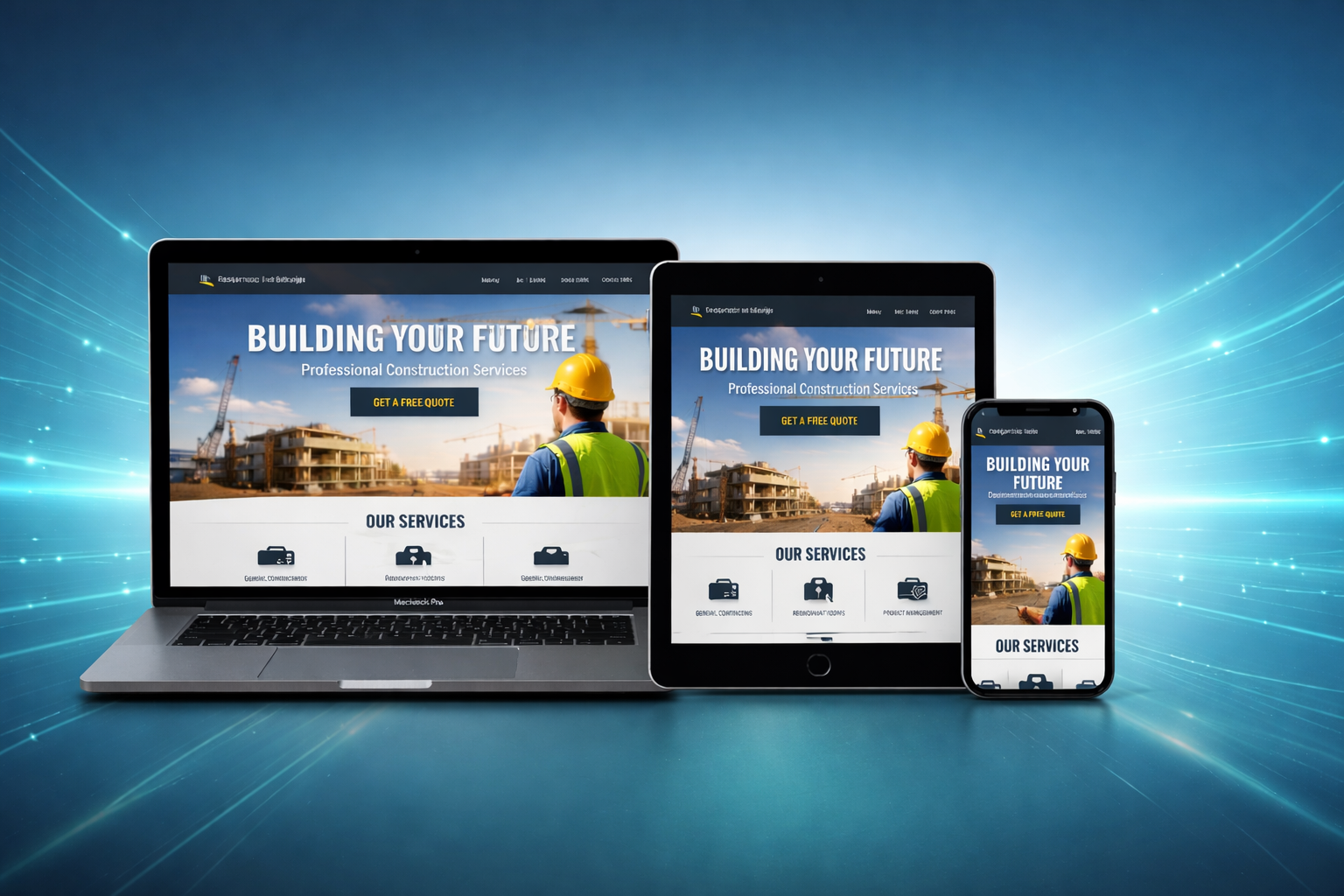
CED Technology creates responsive, professional websites for small and medium-sized businesses. Each website is designed around the individual business, its services and the customers it wants to reach.
Whether you need your first business website or want to improve an existing one, take a moment to visit our
Website Design page or
contact CED Technology to discuss your requirements.
Share this post
RECENT POSTS